

Pruning Machines: The Essential Guide to Choosing the Right Equipment

Plastic pollution is one of the biggest environmental threats we face today. Every year, approximately 12.7 million tons of plastic find their way into water bodies, with a truckload of waste dumped into the ocean every minute. If we do not take action now, by 2050, plastic waste could outweigh fish in the ocean. This crisis affects marine life, disrupts ecosystems, and endangers human health. But there is hope—through collective action, we can fight plastic pollution and protect our planet.
How Plastic Pollution Affects Marine Ecosystems
Plastic Pollution Injures Marine Animals
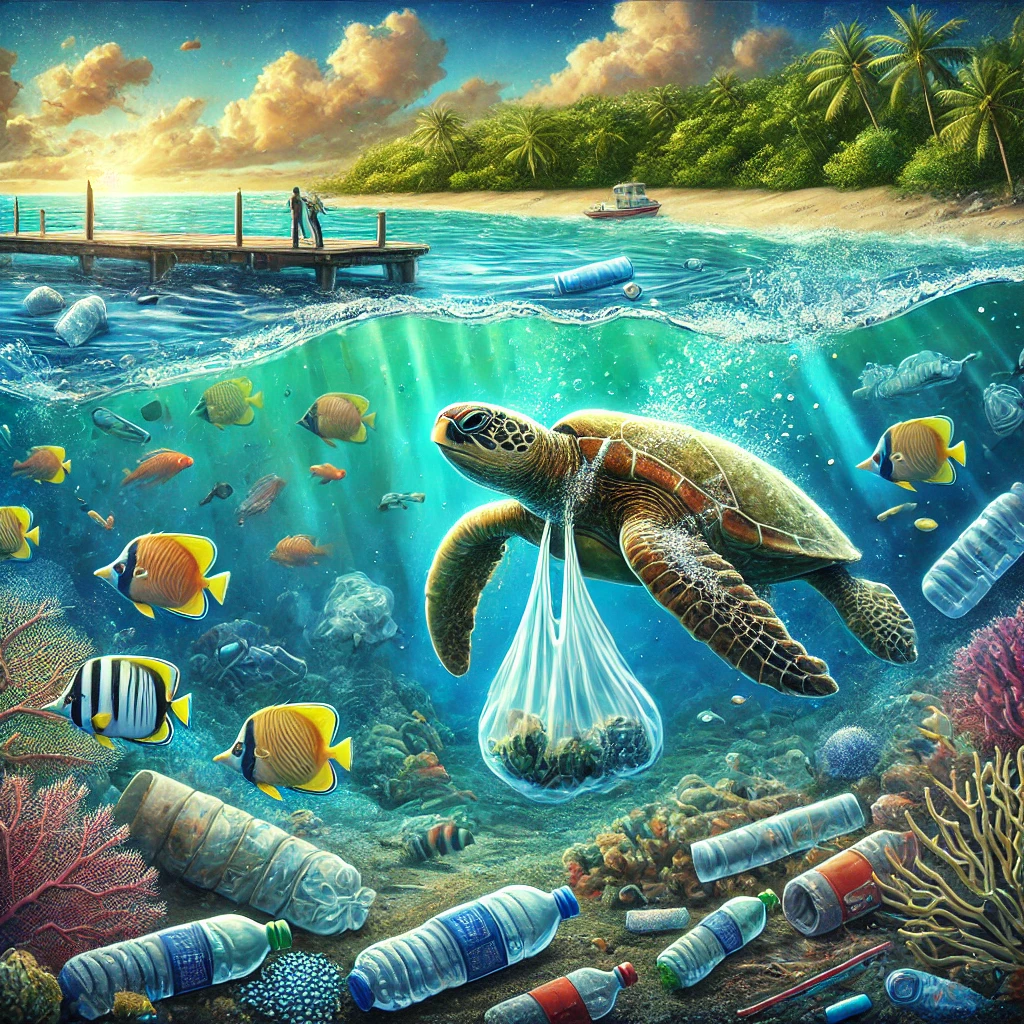
Marine creatures suffer the most from plastic pollution. They get tangled in plastic debris like fishing nets and plastic bags, which can cause injury or death. Sea turtles, for example, mistake plastic bags for jellyfish and ingest them, blocking their digestive tracts. Birds and marine animals often consume tiny plastic particles, leading to malnutrition and starvation. Additionally, as plastics degrade, they release toxic chemicals into the water, posing further threats to aquatic life.
Microplastics: A Silent Killer
One of the most dangerous aspects of plastic pollution is microplastics—tiny plastic fragments that come from larger plastic items breaking down. These microplastics infiltrate marine food chains, affecting everything from plankton to large predators. When humans consume seafood, we unknowingly ingest these harmful particles. Studies have linked chemicals in microplastics, such as bisphenol A (BPA) and phthalates, to hormone imbalances, reproductive issues, and even cancer.
Plastic Pollution and Coral Reefs
Coral reefs, often referred to as the “rainforests of the sea,” are also under threat. Plastic waste damages fragile coral structures and introduces harmful pathogens that cause coral diseases. Given that coral reefs support nearly 25% of all marine life, their destruction would have catastrophic consequences for biodiversity and millions of people who rely on reefs for food and economic stability.
Solutions to Combat Plastic Pollution
Reducing Plastic Production and Consumption
The best way to tackle plastic pollution is by reducing its production and usage. Governments and businesses must implement policies like extended producer responsibility, which holds manufacturers accountable for plastic waste. Supporting biodegradable alternatives and banning single-use plastics can significantly reduce pollution levels. Proper waste management, including improved recycling facilities, is also essential to prevent plastic from entering the environment.
Community-Based Solutions
Communities play a crucial role in addressing plastic pollution. Education and awareness campaigns can encourage individuals to make environmentally friendly choices. Participating in beach clean-ups, advocating for better recycling systems, and reducing personal plastic consumption are simple yet effective ways to contribute. Organizations like Ocean Conservancy offer opportunities for people to get involved in conservation efforts.
Innovative Approaches to Plastic Pollution
Scientific advancements offer promising solutions to combat plastic pollution. Researchers are developing biodegradable plastics that decompose safely in marine environments. New technologies, such as The Ocean Cleanup project, aim to remove plastic waste from the ocean. Supporting these innovations can drive progress toward a cleaner, healthier planet.
Conclusion: Take Action Against Plastic Pollution
Plastic pollution is a crisis that threatens marine ecosystems, human health, and the planet as a whole. However, with the right policies, technological innovations, and community involvement, we can make a difference. Start by reducing your plastic use, supporting sustainable initiatives, and spreading awareness.
Join the fight against plastic pollution today! Visit EAT Community to learn more and take action.
Related Articles and Resources:
- These Plastic Pollution Facts Will Change Your Plastic Dumping Behavior
- Home – Ocean Conservancy
- The negative environmental effects of plastic shopping bags | International Bar Association
- What are microplastics?
- How to Recycle Better: 5 Ways to Reduce Your Waste
- These Plastic Pollution Facts Will Change Your Plastic Dumping Behavior
- The Ocean Cleanup
The post Plastic Pollution: A Growing Threat to Marine Ecosystems and Human Health first appeared on Institute of Ecolonomics.
Related Articles
