

Pruning Machines: The Essential Guide to Choosing the Right Equipment
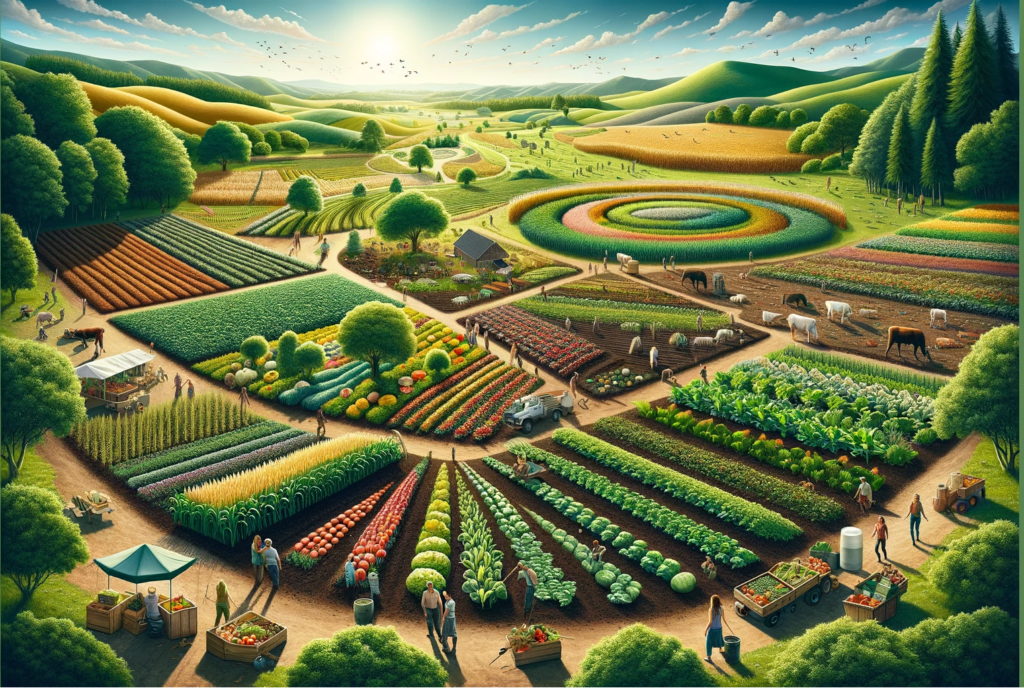
Regenerative agriculture is an all-encompassing farming philosophy essential for developing sustainable food systems. By focusing on soil health, biodiversity, and ecosystem resilience, regenerative practices address the social, economic, and environmental challenges faced by modern agriculture. In this blog, we explore how regenerative agriculture supports sustainable food systems, ensuring long-term food security, environmental sustainability, and community well-being.
Techniques in Regenerative Agriculture
Healthy Soils: The Foundation of Sustainable Food Systems
Healthy soils are the cornerstone of regenerative agriculture. They are crucial for sustainable food production because they promote robust crop growth, enhance nutrient cycling, and retain more water. Techniques like crop rotation, composting, and cover cropping increase soil organic matter, boosting soil fertility and structure. By maintaining and enhancing soil health, regenerative agriculture ensures that agricultural lands remain resilient and productive over time, supporting long-term sustainable food systems.
Promoting Biodiversity for Resilient Ecosystems
Biodiversity is another key aspect of regenerative agriculture that supports sustainable food systems. Diverse farming systems are less susceptible to pests, diseases, and climate fluctuations. Practices such as agroforestry, integrated livestock management, and polycultures promote biodiversity both above and below ground. These diverse ecosystems support numerous beneficial organisms, including soil microbes and pollinators, which are vital for farm productivity and health. By fostering biodiversity, regenerative agriculture enhances ecosystem services essential for sustainable food production.
Reducing External Inputs for Sustainable Food Systems
Regenerative agriculture emphasizes reducing external inputs like synthetic pesticides and fertilizers, which can have harmful environmental effects, such as soil degradation, water pollution, and loss of biodiversity. Techniques like using organic fertilizers and integrated pest management (IPM) reduce the need for harmful chemicals. By minimizing reliance on external inputs, regenerative agriculture lowers the ecological footprint of food production and supports environmental sustainability.

Building Strong Communities Through Regenerative Practices
Enhancing Community Resilience and Food Sovereignty
Regenerative agriculture strengthens local and regional food systems, promoting food sovereignty and community resilience. Initiatives such as cooperative farming, farmers’ markets, and community-supported agriculture (CSA) bolster local economies and create direct connections between producers and consumers. These models encourage the consumption of locally grown food, reducing food miles and associated carbon emissions. By supporting robust local food systems, regenerative agriculture enhances food security and ensures that communities have access to fresh, healthy food.
Ensuring Economic Sustainability for Farmers
Economic sustainability is another crucial contribution of regenerative agriculture to sustainable food systems. By diversifying their crops and livestock, regenerative farmers can achieve greater financial stability and reduce economic risks. Moreover, regenerative farming often produces higher-quality products, which can command premium prices in markets that value sustainably and organically produced goods. These economic benefits help ensure the viability and attractiveness of farming for future generations.
Conclusion: A Path Toward Sustainable Food Systems
Regenerative agriculture significantly contributes to the creation of sustainable food systems by improving soil health, fostering biodiversity, reducing the need for external inputs, and strengthening local food economies. As global challenges related to food production and environmental sustainability intensify, regenerative agriculture offers a practical and transformative path toward a more sustainable and equitable future.
For more insights into regenerative agriculture and to learn from expert farmers implementing these practices, visit Eat Community. Join the team and gain hands-on knowledge about regenerative techniques. Together, we can build a sustainable future for our food systems.
Related Articles and Resources:
- Urban Miracles: How Regenerative Agriculture Sowing Seeds of Joy and Sustainability in Our Cities
- Why regenerative agriculture is only a part of the answer to sustainable food systems
- REGENERATIVE AGRICULTURE: A STRATEGIC APPROACH FOR FARMING
- Tips on Natural Pest Control Methods – It’s Easier than What You’d Think!
- How Climate Change has led to Loss of Biodiversity

The post How Regenerative Agriculture Contributes to Sustainable Food Systems first appeared on Institute of Ecolonomics.
Related Articles
