

Why Edible Insect Polyculture Matters for Circular Agriculture
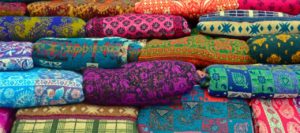
About Alpaca Fleece Clothing
Alpaca fleece clothing is an ancient form of clothing drawn from the hairs of the domesticated alpaca. It is a remarkably flexible form of natural fiber and can be heavy or light in weight, all dependent on how it is spun and the desires of the spinner. In addition to this degree of flexibility, the fibers sheared from alpacas is luxurious, silky and soft, yet incredibly durable for what it is. It is warmer than sheep’s wool, as well as lacking the prickly qualities of sheep wool. It is also devoid of lanolin, making it hypoallergenic for those with allergies to wool. It is also naturally water repellent and it does not ignite easily either.
Types of Alpaca Fleece
There are two major types of alpaca fleece from the different breeds of alpaca. Huacaya fleece is soft and spongy, but it has a natural crimp which create a naturally elastic yarn. This makes it wonderful fiber for knitting and many knitters who can afford it swear by the quality and comfort of a product knit from huacaya fleece. Suri has no crimp, making it a superior product to be woven. Of particular note is that during the age of the Incan empire, suri fleece was largely reserved for the royalty of that empire, a status that even gold did not have. Alpaca fleece products range from very simple and not very costly such as simple scarves at craft fairs to high end products such as custom suits from trained tailors.
Where do Alpacas come from?
Alpacas were first domesticated and South America, specifically by the First Nations of the Andean highlands in Peru, Bolivia, Chile and Argentina. Textiles from that region dating back two thousand years are widely thought to include alpaca fiber and the tribes of the region dubbed alpaca fur “the fiber of the gods”. This is hardly unsurprising as the alpaca can live in the extreme climates of the Andean highlands and its wool can be used to make garments and blankets warm enough to make even the cold Andean winters far more tolerable for humans. In addition to fur, these tribes also bred alpacas for meat and in some cases ritual sacrifice.
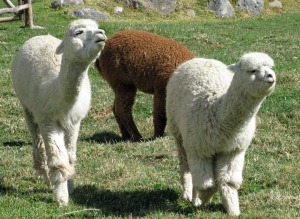 When Incan traders introduced alpaca fur to the Spanish, the popularity of the fiber began in earnest. It was some years before the invention of cotton warps made the widespread use of alpaca fiber an economically viable product in Europe where previously it was considered an unworkable material by European fiber workers unfamiliar with it. The exact means by which this happened is somewhat unclear, but once alpaca fur was developed into fabric, it quickly took off in popularity.
Conclusion:
Alpaca farmers are uncommon, but growing in number. Many alpaca farms exist in the Andean highlands where the species originated and in many parts of the Western world where the product of alpaca fiber products has become a cottage industry. Interest in alpaca fiber clothing is increasing in recent years as agricultural studies have shown that alpaca farming has a lower impact on the environment than farming other species for their fibers.
P.S: Would you like to learn about Alpaca farming? Alpacas make excellent pets and alpaca breeding is also a profitable business.
Source: Sustainable Livestock Nutrition
Related Articles and Resources:
- Differences Between Llamas & Alpacas – Ever Wonder What they are?
- All About Alpaca Farming – Useful Tips for Raising Alpacas
- 5 Alpaca Facts that You Didn’t Know

Related Articles
